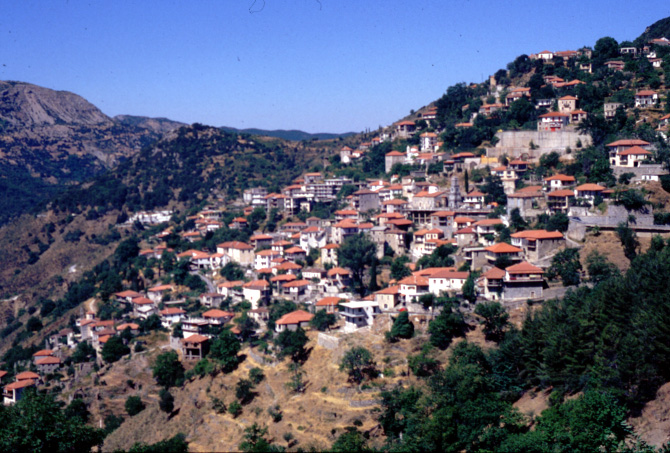
Urban living
Social stratification
Writing in Linear B
Fall of Mycenae, 1200 BCE
International System Ends, 1250 B.C.E.
Small farming communities
Cities abandoned
Writing (Linear B) lost
Semitic language
Sinai prototypes in Middle Kingdom Egypt, 1800 BCE
Semitic workers
Phoenicia (Lebanon), 900-202 BCE
Alphabet, 1050 BCE
22 consonants
Trireme
Cargo vessel
Mediterranean transportation
Trade networks
Mother city and colonies
Ship technology
Trireme
Cargo ship
*Trade-based complex society
Trade networks
Mother city and colonies
Greek Alphabet, 800-700 BCE
24 consonants and vowels
Egyptian influences on sculpture
Hot dry summers
Mild damp winters
Mountains
Islands
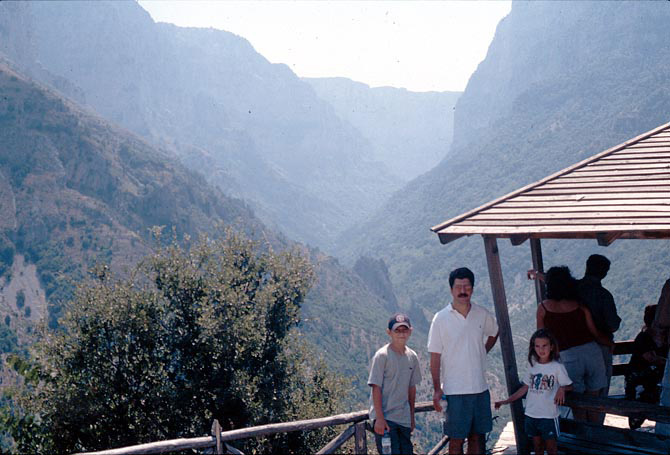

Geographical barriers
Mountains and islands
No major rivers
Only 20% arable land
Olive trees & grapes vines in highlands
Barley in valleys
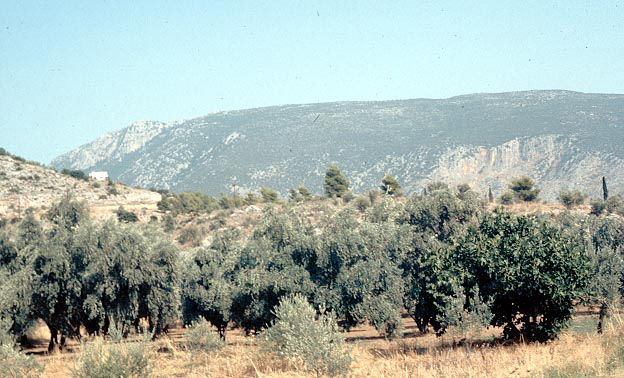
Sea
Fish
Transportation

Reasons? Think about geography, climate and resources
1) Lack of arable land and irrigation
2) The attraction of trade
Imports: grain, metals
Exports
Crafts
Processed food in amphorae
Olive oil
Wine
Lydia 600 BCE
China 6th c. BCE
Commodity money
Silver & barley
Widely available/Easily divided/Resist decay
Coins
Guarantee weight and purity of metal
1. What signs of complex society have archaeological excavations of Mycenae sites in Greece revealed? Why does the example of the Greek "Dark Age" demonstrate that complex society could be difficult to maintain?
2. What elements of Phoenician complex society influenced the revival of ancient Greek complex society in the period from 800-500 BCE?
3. How did the Phoenicians adapt Egyptian hieroglyphics to develop a new writing system? Why was their writing system an improvements over the earlier ones of Mesopotamia and Egypt?
4. How did geography influence the division of ancient Greece into independent city-states? Why did Greek climate and resources encourage the development of trade-based complex society?
1. Compare and contrast Phoenician and Greek trade and colonization in the Mediterranean.
2. What cultural elements did Greek city-states share?
1. How were words formed in the earliest Mycenaean Greek writing system of Linear B around 1450 BCE? What was the purpose of this writing system? Why did it die out around 1100 BCE?
2. How did the Greeks adapt the Phoenician alphabet to create a new writing system around 800 BCE? What are the earliest types of Greek writing that archaeologist have discovered at the ancient sites of Eretria and its colonies at Methone and Pithekoussai (Naples)? Give examples.
3. What theory has University of Wisconsin classicist, Barry Powell, developed to explain the origins of Greek writing? Do you find his theory to be plausible? Why or why not?